
Food Safety Bites with Beth
Improperly reheated food can lead to foodborne illnesses caused by bacteria, which thrive when food is held at unsafe temperatures. To protect customers and ensure food safety, it is crucial to follow proper reheating procedures as outlined by the FDA Model Food Code. This guide provides food service professionals with best practices for reheating food safely and effectively.
After this lesson, employees should be able to:
● Understand the risks of improper reheating.
● Identify the correct reheating temperatures for different food types.
● Utilize appropriate equipment and techniques to ensure safe reheating.
● Recognize the importance of monitoring and verifying food temperatures.
● Implement safe reheating procedures consistently in daily operations.
Reheat to Repeat—The Safe Way to Serve Again
● According to the FDA Model Food Code, all potentially hazardous foods must be reheated to 165°F for at least 15 seconds before being served or placed in hot holding.
● Ready-to-eat food taken from a commercially processed, sealed package must be reheated to 135°F before being placed in hot holding.
● Foods should be reheated quickly, within two hours, to prevent bacteria from multiplying.
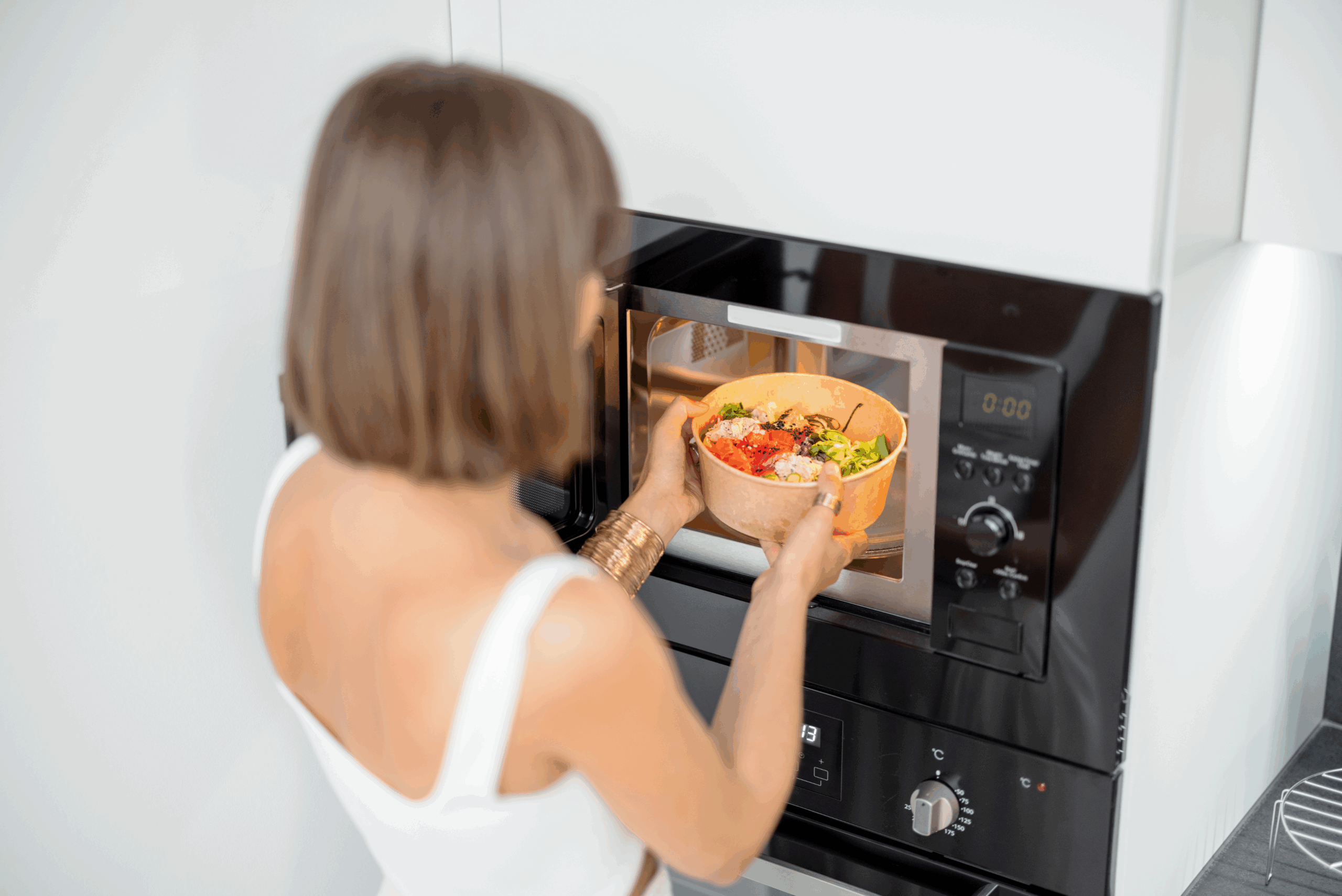
● Microwave reheating requires food to be covered, stirred, and let sit for two minutes after heating to ensure even distribution of heat.
● Hot holding equipment, like steam tables and warmers, should never be used to reheat food, as they do not reach the required temperature quickly enough.
● Always use a calibrated food thermometer to verify internal temperatures.
Take Action!
Temperature Check Challenge
Provide thermometers and various food items for employees to check temperatures after reheating. Have them document and compare results, reinforcing the importance of verifying food safety before serving. An alternative is for the team to look at the reheating temperature logs to ensure that the proper procedures are being taken for safety.
Reheat Relay Race
Have employees put the different steps of proper reheating in order. Download your free activity resources: Reheat Relay Race, Reheat or Regret, and Reheat or Regret Cards.
Hot Holding Mythbusters
Ask employees to list common misconceptions about reheating food (e.g.,”If it’s not sold, it’s not old.” “It’s okay to reheat food slowly” or “As long as it’s hot, it’s safe”). Then, go through each statement and discuss why it may or may not be true. Please note that you can also use the myths activity included, which is entitled Reheat or Regret. The activity has several options, including being used orally, as a worksheet, or scenario cards.
Role-Playing: Health Inspector Visit
Have one employee act as a health inspector, questioning staff on reheating procedures. Other employees must correctly explain and demonstrate proper reheating techniques. This will reinforce knowledge and confidence in safe practices.
Equipment Check-Up
Walk through the kitchen and assess if the reheating equipment is in good working condition and capable of reaching the required temperatures. Employees can suggest improvements or adjustments to maintain food safety standards.
Keep it Going!
Managers and trainers should take the following steps to ensure ongoing compliance with safe thawing procedures:
● Conduct spot checks to ensure food is being reheated to the correct temperatures.
● Provide refresher training sessions periodically.
● Encourage employees to ask questions and discuss challenges they face in reheating procedures.
● Use temperature logs to track compliance and identify areas for improvement.
● Review health department inspection reports for feedback on reheating practices.
By ensuring proper reheating practices, your establishment can maintain high food safety standards and protect customers from foodborne illness. Thank you for your commitment to serving safe, high-quality food!
Did you know TSC Associates offers private training tailored to meet your establishment’s need? Our courses are designed to help you meet the industry standards for food safety and responsible alcohol service. With our experienced instructors and flexible training options, you will gain the knowledge and skills required to excel in your profession. Join us today and take the first step toward a successful career in the food and hospitality industry anywhere in the country. Contact TSC Associates to find out more about our array of personalized training as well as ServSafe® training and certification.
Created by Beth Brewer, TSC Associates LLC
Resources
1. FDA Food Code Reheating Guidelines (see Chapter 3 of the 2022 edition of the FDA Model Food Code)
2. This comprehensive guide will walk you through the correct temperature and time parameters for reheating and hot-holding food, including scientific evidence, expert opinions, and frequently asked questions (FAQs) to help you get it right every time
3. Food Reheating Poster via Food Docs – A great place for posters, templates, and information