
Cyclospora Outbreak: What Food Service Operators Need to Know
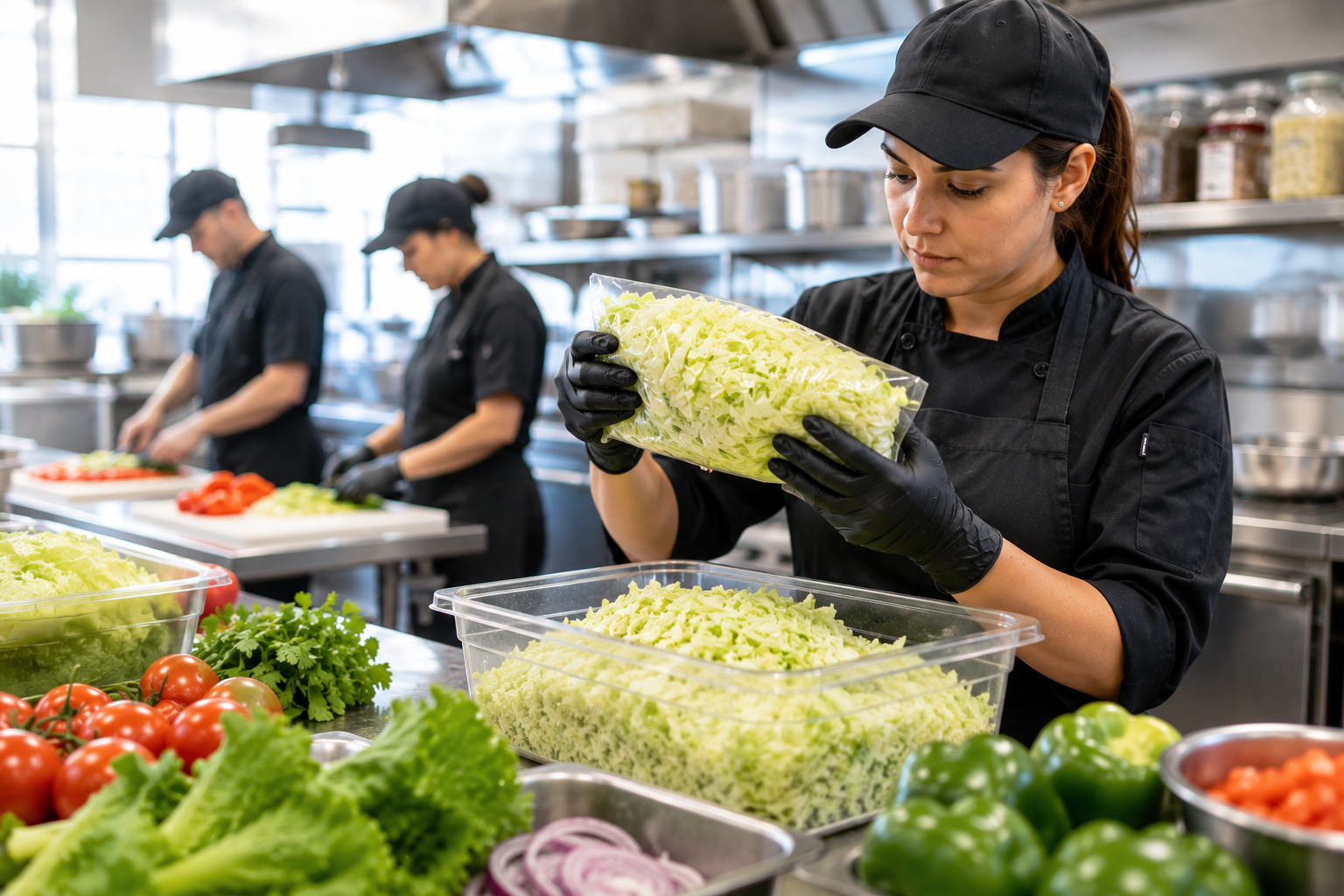
Foodborne illness outbreaks serve as an important reminder that food safety requires constant attention. This summer, public health officials are investigating a widespread Cyclospora outbreak affecting thousands of people across the United States. The FDA has linked one major outbreak to recalled shredded iceberg lettuce sourced from central Mexico, while several additional Cyclospora investigations remain ongoing.
For restaurant owners, managers, and food handlers, this outbreak reinforces why proper food safety training and supplier verification are essential parts of daily operations.
What Is Cyclospora?
Cyclospora cayetanensis is a microscopic parasite that causes an intestinal illness known as cyclosporiasis. People become infected by consuming food or water contaminated with the parasite. Unlike many foodborne pathogens, Cyclospora is not typically spread directly from person to person because the parasite must mature in the environment before it becomes infectious.
Symptoms often develop about one week after exposure and may include:
- Frequent watery diarrhea
- Loss of appetite
- Weight loss
- Stomach cramps
- Nausea
- Fatigue
- Low-grade fever
Without treatment, symptoms can last for several weeks or even return after temporarily improving.
What Is Happening in the Current Outbreak?
Federal and state health officials are currently investigating multiple Cyclospora outbreaks across the country. One of the largest investigations has been linked to shredded iceberg lettuce distributed from central Mexico. The FDA has issued updates advising consumers and food service operators not to use recalled products while the investigation continues.
The investigation highlights how quickly contaminated fresh produce can affect restaurants, grocery stores, and consumers across multiple states through today’s interconnected food supply chain.
Can Restaurants Prevent Cyclospora?
While restaurants cannot eliminate every risk associated with contaminated produce before it reaches their facility, they can significantly reduce the likelihood of serving unsafe food by following established food safety practices.
Purchase From Approved Suppliers
Buy produce only from reputable suppliers with strong food safety programs. Stay informed about FDA recalls and remove affected products from inventory immediately.
The FDA maintains a current list of food recalls and outbreak investigations at:
https://www.fda.gov/food/outbreaks-foodborne-illness/investigations-foodborne-illness-outbreaks
Inspect Deliveries
Train employees to inspect incoming shipments for quality and verify that products match approved suppliers and current recall guidance.
Wash Fresh Produce Properly
Fresh fruits and vegetables should be washed thoroughly under running water before preparation, even if they will be peeled. Washing cannot guarantee removal of Cyclospora, but it can help reduce contamination from dirt and other microorganisms. Commercial produce washes have not been shown to be more effective than clean running water.
Prevent Cross-Contamination
Use separate cutting boards, utensils, and preparation areas for raw products and ready-to-eat foods whenever appropriate. Clean and sanitize food contact surfaces according to your food safety procedures.
Train Employees Regularly
Employees should understand:
- Proper produce handling
- Personal hygiene requirements
- Cleaning and sanitizing procedures
- Cross-contamination prevention
- How to respond to product recalls
Consistent training helps ensure food safety practices are followed every day, not just during inspections.
Why Food Safety Training Matters
Outbreaks like the current Cyclospora investigation demonstrate that food safety depends on more than simply following recipes. Managers must understand how to identify hazards, respond to recalls, verify suppliers, and ensure employees consistently follow safe food handling practices.
A certified Food Protection Manager plays a critical role in creating a culture of food safety that helps protect both customers and the business.
Stay Informed
Restaurant operators should regularly monitor trusted public health resources for recalls and outbreak updates, including:
- U.S. Food and Drug Administration (FDA): https://www.fda.gov/food/outbreaks-foodborne-illness
- Centers for Disease Control and Prevention (CDC): https://www.cdc.gov/foodborne-outbreaks
TSC Associates Can Help
Foodborne illness outbreaks are an important reminder that food safety is an ongoing responsibility. Investing in employee education helps restaurants build stronger food safety systems and prepare staff to respond appropriately when recalls or outbreaks occur.
At TSC Associates, we provide comprehensive ServSafe Food Manager Certification training designed to help restaurant managers understand foodborne hazards, prevent cross-contamination, implement safe food handling procedures, and maintain compliance with food safety regulations. Whether you’re certifying a new manager or renewing an existing certification, our experienced instructors provide practical, up-to-date training that prepares your team for real-world challenges.
Explore upcoming ServSafe Food Manager classes, online training options, and private group training at www.tscassociates.com. With the right training, your team can help protect your customers, your employees, and your reputation.